
For more and more people, the connection between food and health is becoming a very important topic. A huge awareness of chemicals in the foods and the effects on the body is no longer just a suggestion of ‘maybe’ harmful but a proven cause for many health issues. And the main chemical that is continually showing up in so many foods, glyphosate.
So, what exactly is glyphosate and why is it such a hot topic? Developed back in the 1970s and brought to market in 1974, this powerful chemical is the primary active ingredient in the world’s most famous weedkiller, Roundup. It was originally designed to kill off unwanted plants by blocking a specific enzyme they need to grow, but its use has expanded far beyond simple gardening. Today, it is sprayed on a massive scale across conventional farms and not just to clear weeds, but often as a "desiccant" to dry out crops like wheat and beans right before harvest so they can be processed faster. The catch is that this chemical doesn’t just stay in the field, it frequently ends up in our food supply. For our health, this is a major red flag because glyphosate has been linked to significant gut microbiome disruption and is classified by many international health organizations as a probable carcinogen. Essentially, it acts as a toxic gatecrasher that can trigger inflammation and interfere with our body's natural ability to heal and thrive. So if you have anti-inflammatory issues, if you are not eating organic, you could be reacting more to glyphosate than the ingredients in your food.
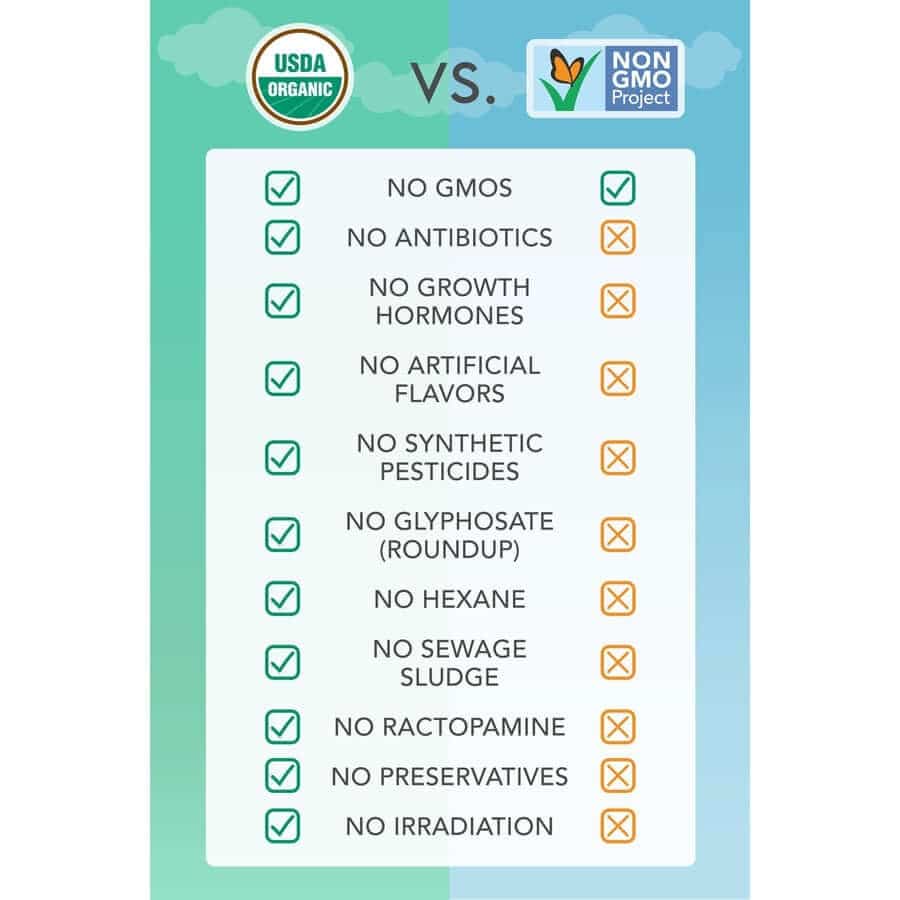
For those committed to healthy living, the most important reason to prioritize organic is the fact that synthetic chemicals like glyphosate are strictly prohibited from the production process. Organic farming shifts the focus back to natural growth cycles, which often means crops take longer to mature without the aggressive push of synthetic fertilizers or the "shortcut" of chemical desiccants. While this slower, more intentional pace typically means a higher price tag at the checkout, the wellness community views this not as a simple expense, but as a critical investment in preventative health. By opting for organic produce today, individuals are essentially choosing to pay the farmer now rather than the doctor later, recognizing that the premium paid for clean, toxin-free food is a small price compared to the long-term physical and financial toll of chronic health issues.
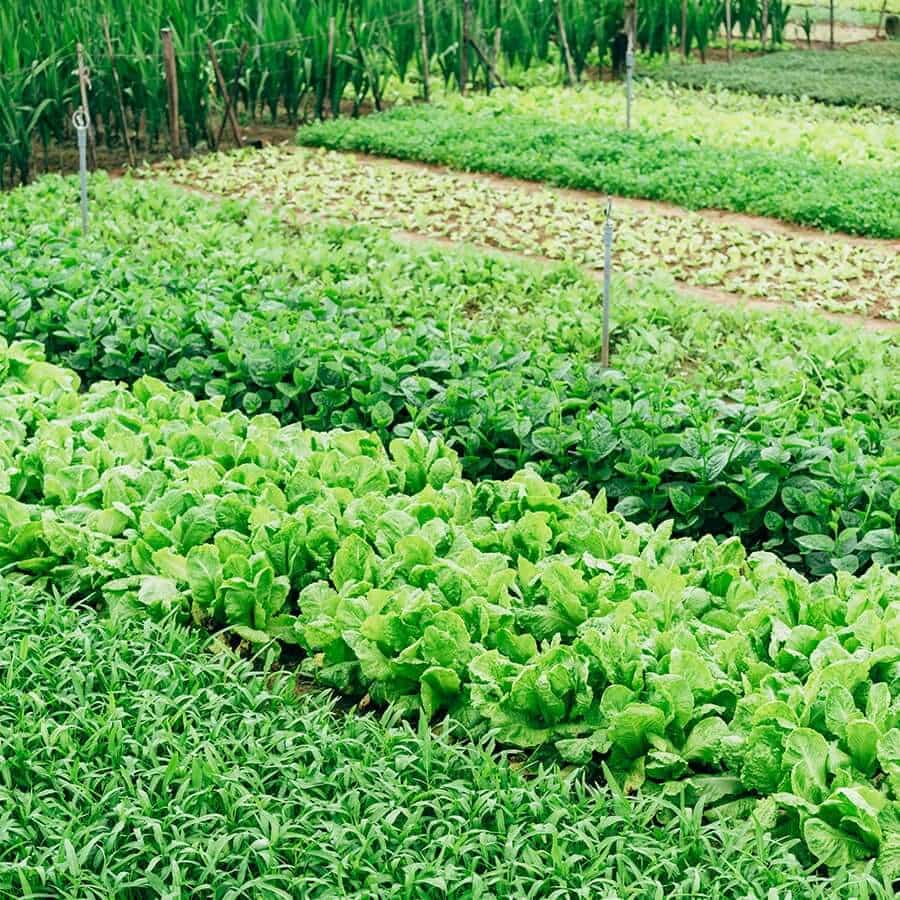
Regenerative Farming 101
If organic is the baseline for safety, regenerative farming is the highest standard for agricultural restoration. It’s a holistic philosophy that views the farm as a living, breathing ecosystem, focusing on actively healing the land rather than just sustaining it. Crucially, this approach is built upon a strictly organic foundation, ensuring that the soil remains untainted by synthetic chemicals like glyphosate that would otherwise disrupt the delicate microbial life beneath the surface. By removing these toxic interventions, the land is finally free to recover its natural vitality. By prioritizing soil health through techniques like no-till planting, cover cropping, and natural grazing, these farms act as powerful carbon sinks that pull CO2 out of the atmosphere and lock it back into the earth.
The movement is built on four non-negotiable pillars:
Minimal Soil Disturbance (No-Till): This protects the "microbial cities" and mycelium networks underground.
Cover Cropping: Keeping roots in the ground year-round prevents erosion and feeds soil bacteria.
Biodiversity: Moving away from "monocultures" to create a diverse diet for the soil.
Livestock Integration: Using natural grazing to provide organic fertilizer and sequester carbon.
Across the United States, this movement has gained massive support. The $700 million USDA Regenerative Pilot Program, which provides critical funding and technical support to help farmers transition toward whole-farm health, ensures that soil restoration becomes a national priority for our long-term food security. The appeal for the wellness conscious is clear. Research confirms that produce grown in healthy, regenerative soil can contain 20–50% more antioxidants than conventional counterparts.
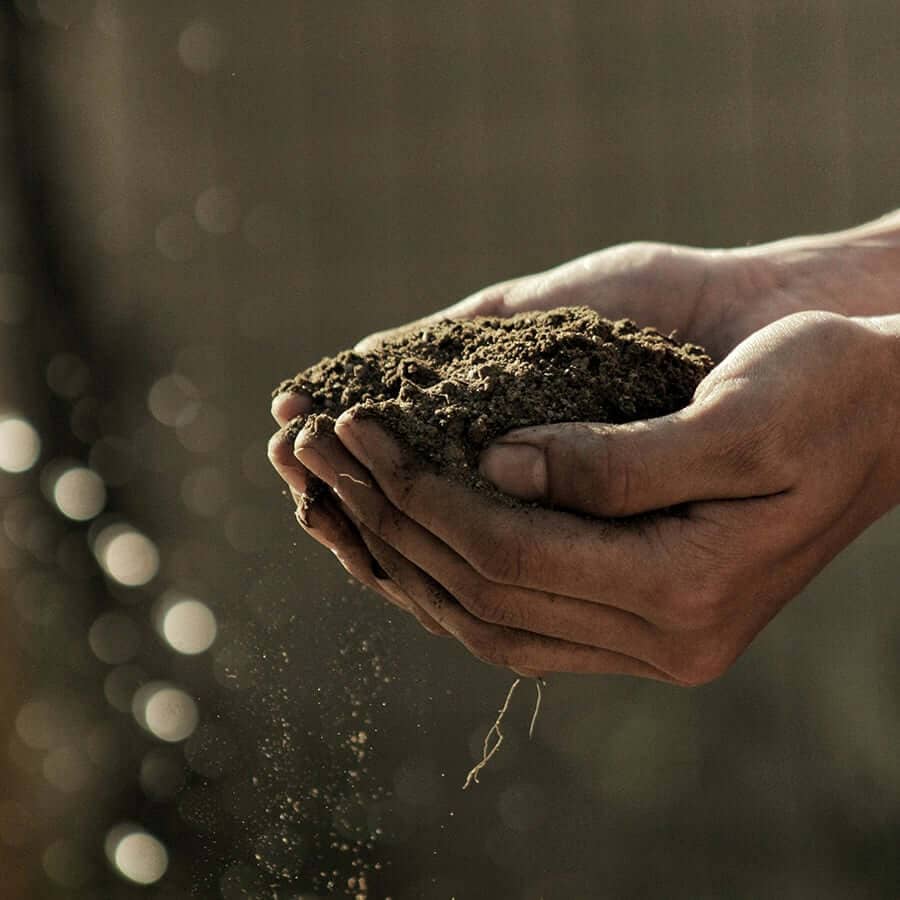
Ultimately, the path toward true vitality requires a fundamental shift in how one perceives the relationship between the earth and the body. In a world where glyphosate has become an invisible guest at the dinner table, choosing organic and regenerative products is the ultimate act of both self-care and environmental stewardship. This shift represents a transition from merely surviving a toxic food system to actively participating in a restorative one. Whether a person is reaching for gluten and grain-free bread or fresh seasonal produce, prioritizing clean ingredients is more than just a dietary trend, it is a commitment to a future where food is once again a source of healing rather than a source of inflammation. By investing in the health of the soil today, individuals are quite literally planting the seeds for their own longevity and a more resilient planet for generations to come!
Best Sellers Pack
$60.75
$63.95
About The Bread Gluten & Grain Free | Certified Organic | Non-GMO | Paleo | Vegan | No eggs, soy, gums, dairy, seed oils, refined sugars So we took a survey, and these were our customers' favorites to enjoy! The… read more